Your boots find their rhythm on the stone steps, your daypack sits light on your shoulders, and for the first time in months, your mind goes quiet. That feeling of moving easily through some of the most dramatic scenery on Earth depends on one thing trekkers consistently underestimate: having the right trekking gear packed before you ever leave Kathmandu.
The wrong gear turns a magical trek into a miserable one. The right gear disappears entirely, leaving you free to simply soak in the mountains. In this guide, Himalayan Namobuddha Travel & Treks shares the exact packing list, layering strategy, and gear tips our guides give every client ensuring you know what to pack, what to rent or buy in Kathmandu, and what gear you actually need while you trek in the Himalayas of Nepal.
Why the Right Gear Makes or Breaks Your Trek ?
Nepal’s trails move through several climate zones in a single day. You might start in a warm, humid forest at 1,500m and finish at a wind-blasted pass above 4,000m before lunch. Good gear is about building a simple, reliable layering system that adapts as the mountain changes around you. As our veteran guides always advise: “More inners, less outers…”

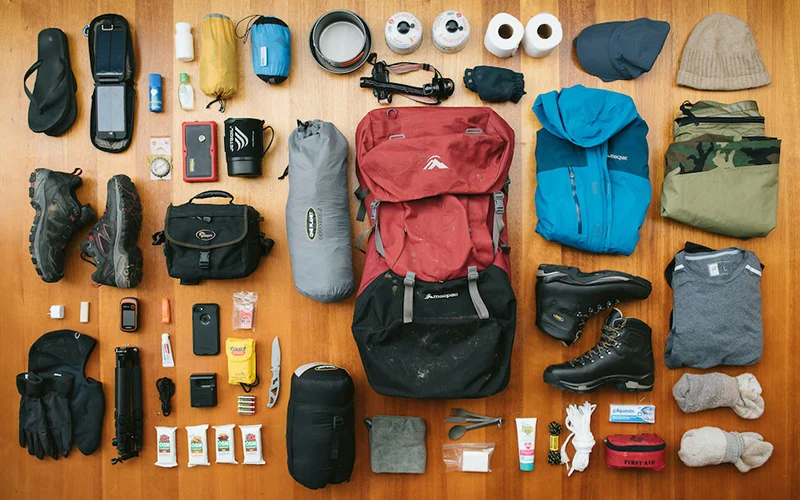
The Complete Nepal Trekking Gear List
1. Clothing — The Layering System
Himalayan weather rewards trekkers who dress in layers rather than relying on one heavy jacket.
- Base Layer: Pack t-shirts, preferably with long arms for extra protection from the sun and chill. Include long underwear, which acts as a great base layer when cold and doubles as comfortable pajamas at night.
- Mid Layer: Bring a fleece top. A thin woolen jumper or sweater is also reassuring and comfortable for cozy nights spent in the lodges. A thick cotton or woolen long-arm shirt is excellent for evening wear, doubling as a light jacket while protecting your arms and neck with its collar.
- Outer / Shell Layer: Bring a lightweight rain poncho for sudden downpours. A jacket featuring an attachable fleece inner is highly recommended, it works as a light fleece on its own, and becomes a formidable barrier against the elements when combined with a down or Gore-Tex outer shell.
- Trousers: Pack quick-dry hiking trousers, ideally convertible styles that adapt to changing temperatures.
- Accessories: Bring a warm wooly hat and gloves for cold mornings and high altitudes. You will also need reliable hiking socks. For sun and wind protection, pack a sun hat, sunglasses, and a scarf or buff to protect your neck.
2. Footwear & Trail Traction
A well-fitted mid-range boot will always outperform an expensive one that gives you blisters on Day 1.
- Trekking Boots: Bring hiking shoes with ankle covering that are well worn in before your arrival. Never wear brand-new boots on a trek.
- Camp Shoes: Pack lightweight flip-flops or Tevas to wear around the lodges, as the floors can be cold and your feet need vital rest.
- Traction (Spikes): Microspikes or trail spikes are essential additions to your gear list for icy or hard-packed snow sections, highly recommended as a safety precaution for high routes.
3. Backpacks & Bags
Getting the bag balance right keeps you comfortable and your porter’s load fair.
- Main Luggage: Use a sturdy backpack or duffel bag for your main gear carried by your porter. (one porter for every two trekkers, with a maximum carrying allowance of 20 kg per porter)
- Daily Carry: Bring a comfortable day pack for the items you need on the trail. A bum bag, waist bag, or pouch is an optional but helpful addition for keeping small essentials easily accessible.
4. Health, Safety & Toiletries
- Water Treatment: Pack a water bottle alongside iodine tabs or drops for purification. A water neutralizer is an optional addition.
- First Aid & Medications: Carry basic medicines. Specific recommendations include Diamox for altitude acclimatization, throat lozenges, muscle relaxant paste or any personal medications (if applicable).
- Toiletries: Keep cosmetics to a minimum. Pack biodegradable soap that suits every need, a thin and light towel, hand sanitizer, toilet paper or wet tissues, and high-SPF sun-cream minimum 50 plus recommended.
-
Trail Tools: Bring a trekking pole to reduce knee strain on steep descents. A lighter and a Swiss knife are also highly useful multi-purpose tools.
5. Gadgets & Extras
-
Electronics: Carry a headlamp with spare batteries or chargers, portable power bank and a camera to capture the landscapes.
-
Entertainment & Comfort: Teahouse evenings can be long. Bring a book, some card games, a notebook to write in, and plenty of snacks or energy bars.
-
Essentials: Do not forget to carry sufficient cash for local expenses along the trail.
- Sleeping Bag: Bring an appropriate sleeping bag rated for your specific trek and altitude.
- Extra snacks: Bring some energy bars, dried fruits. nuts or easy to carry snacks to enjoy when you feel hungry
Critical Documents: Passport & Travel Insurance
Beyond physical gear, paperwork is your most important travel item in the Himalayas.
- Passport + Copies: You must carry your original passport with you at all times. It is critical to have a physical photocopy stored in a separate place from the original, plus a digital copy securely stored on your phone. You will need to show your passport at various national park and checkpoints along the trekking trail.
- Travel Insurance Details: Make sure you carry a printed copy of the summary page of your travel insurance policy, alongside a digital copy of the full policy document. Most travel insurance companies provide a 24/7 medical emergency hotline that you must contact immediately in the event of an evacuation. Add this emergency number and your exact policy number to your phone contacts. Keeping these clearly visible on your printed document ensures that you or someone assisting you if you fall ill can access vital help instantly.
Gear Above 4,000m: Do You Need Spikes?
Above 4,000 metres, trail conditions change fast especially between November and March, or right after a snowfall. For standard teahouse treks like Everest Base Camp, Annapurna Circuit, or high passes like Thorong La (5,416m), full mountaineering crampons are rarely necessary.
What actually helps is lighter and easier to pack: slip-on microspikes or trail spikes. These stretch over your standard hiking boots and provide crucial grip on icy morning trails or frozen passes. Pair your spikes with sturdy trekking poles, insulated waterproof gloves, and snow gaiters to safely navigate high-altitude winter conditions. If your itinerary includes a technical peak climbing add-on (like Island Peak or Mera Peak), our team will arrange the required heavy-duty crampons and ice axes.
Buy or Rent Gear in Kathmandu
Not everyone wants to fly halfway around the world with a suitcase full of down jackets and sleeping bags they will only use once. Kathmandu is set up perfectly for trekkers needing last-minute equipment. Shops around Thamel stock excellent local and international gear at every price point.
Himalayan Namobuddha Travel & Treks works directly with trusted local gear shops to help clients rent or buy trekking equipment. We help you identify exactly what your specific trek requires, connect you with reliable rental shops for sleeping bags and down jackets, and arrange gear sorting on your arrival day in Kathmandu before you head to the mountains.
Packing Lists by Trek — Two Real Examples
Example 1: 5–7 Day Mardi Himal Trek
A short, moderate off-beat trek reaching 4,500m at Mardi Himal Base Camp.
- 1 waterproof shell jacket + 1 mid-weight down jacket.
- 2 base layers, 1 fleece, 2 trekking trousers.
-
3–4 pairs wool socks, well-worn trekking boots, and camp shoes.
- sleeping bag (0°C rating).
-
25–35L daypack, trekking poles, headlamp, 1L water bottle, basic first-aid kit.
- Microspikes (recommended if trekking between December and February).
Example 2: 14-Day Everest Base Camp Trek
A longer, high-altitude expedition reaching 5,364m at EBC and 5,545m at Kala Patthar.
- Full layering system: 2 base layers, 1 fleece, 1 waterproof shell jacket, 1 heavyweight down jacket (-15°C rating).
- 3 trekking trousers, 5–6 pairs wool socks, insulated gloves, and waterproof mitts.
-
Waterproof, ankle-supportive boots (broken-in) and camp shoes.
- sleeping bag (-15°C rating) plus a thermal liner.
-
60–70L porter duffel bag and 20L personal daypack.
-
Trekking poles, microspikes for icy sections, headlamp with spare batteries, water purification tablets.
-
Printed travel insurance and physical passport.
Bonus Tip
- Carry a hot water bag to slip into your sleeping bag on cold nights above 4,000m
- Taking ORS or and electrolyte solution helps replace lost fluids and maintain hydration especially during long trekking days.
Ready to Trek? Let our team at Himalayan Namobuddha Travel & Treks Handle the Planning.
The gear list is ready, your documents are organized, and the mountains are waiting. Having the right layering system, reliable footwear, and essential traction gear like microspikes will keep you safe and comfortable on every step of the journey.
All you need now is the right team to make your adventure unforgettable. Himalayan Namobuddha Travel & Treks provides personalized gear guidance to every client before they even leave home. Contact us today to plan your next Himalayan journey!
Are you ready for your next adventure? Let’s get started